
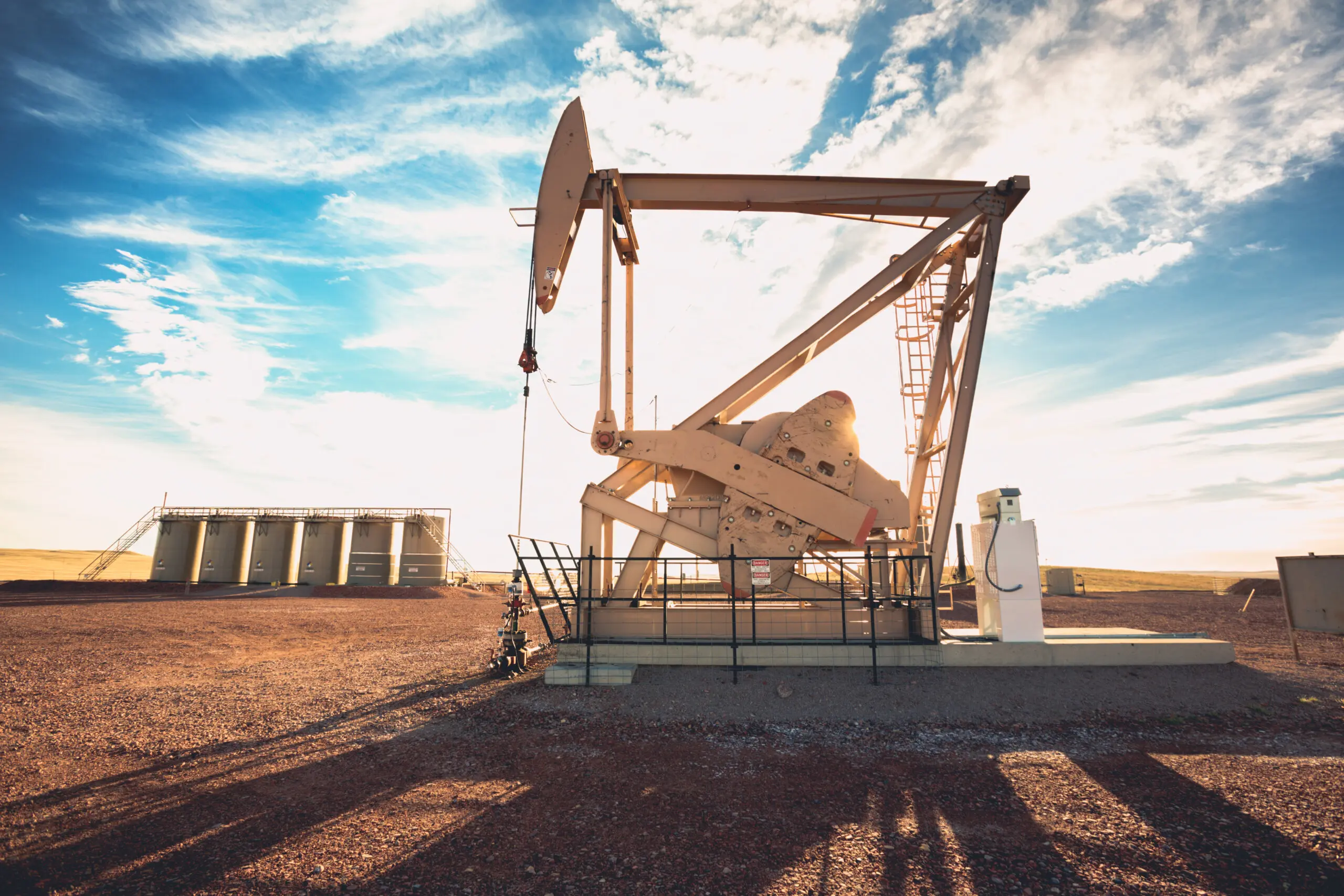
Working in North Dakota’s fracking fields can be rewarding, but it’s also filled with risks. From unstable platforms to toxic chemicals, oilfield workers face serious hazards every day. Many workers are injured on the job, and the effects can last a lifetime. Understanding the most common fracking injuries in North Dakota—and how to protect your rights—is the first step toward recovery. Our North Dakota oilfield accident attorneys discuss fracking injuries and your rights in this blog.
- Dangerous Conditions in North Dakota’s Oilfields
The oil boom in North Dakota’s Bakken region has brought opportunity and job growth—but also high-risk conditions. Fracking, or hydraulic fracturing, involves powerful equipment, flammable materials, and pressurized processes that leave little room for error. Safety protocols are critical, yet even with training, accidents happen.
Key hazards fracking workers face include:
- High-pressure lines and pressurized chemicals
- Slippery, unstable rig platforms
- Explosive gases like methane
- Heavy machinery operating in tight spaces
- Exposure to harmful dust and fumes
With long hours and remote locations, the risks increase. Some accidents are minor, but others can be life-altering—or even fatal.
- Traumatic Brain Injuries from Equipment and Falls
One of the most common—and dangerous—types of oilfield injuries involves head trauma. Fracking sites are full of moving gear, elevated rigs, and fast-paced activity. When something falls or a worker slips, serious head injuries can occur.
Here’s how many of these injuries happen:
- Falling from drilling platforms or ladders
- Getting struck by tools or equipment dropped overhead
- Colliding with fast-moving parts or vehicles
Trauma to the head can lead to:
- Concussions
- Skull fractures
- Traumatic brain injuries (TBI)
Seek immediate medical attention after a fall or head injury. Symptoms of a brain injury may not be immediately noticeable, but could prove fatal if not treated promptly.
- Severe Burns from Explosions or Chemical Contact
Flammable gases, like methane, are present during almost every phase of hydraulic fracturing. Just one small spark can trigger an explosion. In other cases, workers come into contact with powerful chemicals that leave permanent burns.
Burn injuries in the fracking industry often happen in these situations:
- Tank battery explosions
- Pipeline bursts or valve failures
- Blowouts releasing flammable fluid or gas
- Splash-back accidents with hydraulic fracturing fluids
The Bureau of Labor Statistics reports that 15% of oilfield fatalities result from fires and explosions.
- Crushing Injuries and Amputations from Equipment
Fracking sites use heavy-duty machines like cranes, tongs, and rotary tables. When these machines jam, collapse, or malfunction, the results can be devastating.
Workers are most at risk of crushing injuries during:
- Hands and fingers caught between spinning—or moving—parts
- Limbs pinned when components swing or collapse
- Being struck or trapped by dropped pipes or equipment
These accidents often lead to amputations or permanent disability. OSHA lists equipment-related injuries as one of the leading causes of amputations in oilfields.
- Hearing Loss from Long-Term Noise Exposure
It’s easy to underestimate noise. But workers near pump trucks, compressors, or diesel engines for hours each day are risking permanent damage to their hearing if proper gear isn’t worn.
Constant exposure leads to:
- Ringing in the ears (tinnitus)
- Sensorineural hearing loss
- Fully impaired hearing in one or both ears
The CDC has found that about 61% of workers in mining, oil, and gas industries are exposed to dangerous noise levels. Without adequate protection, they could sustain permanent hearing loss.
- Respiratory Issues from Silica and Toxic Fumes
Tiny particles can do lasting damage. Fracking sand (which contains silica) is used to keep rock fractures open during drilling—but when disturbed, it becomes airborne. Long-term inhalation can scar the lungs.
Common respiratory hazards on fracking sites:
- Silica dust inhalation causing silicosis
- Exposure to volatile organic compounds (VOCs)
- Chemical fumes from fracking fluids and flaring equipment
The CDC found that in nearly 80% of air samples on fracking job sites, silica dust levels exceeded recommended limits.
- Fatigue and Mental Stress on the Job
Fracking jobs often involve more than 12-hour shifts in remote areas. Long workweeks, harsh weather, limited sleep—all of it adds up. While mental health often takes a backseat to physical injury, it deserves attention too.
Mental health concerns oilfield workers may experience include:
- Chronic sleep deprivation
- Increased risk of injury from slowed response time
- Feelings of isolation and anxiety
- Substance use or burnout
Fatigue increases the risk of every other type of injury. Long working hours are a major contributor to workplace accidents.
Filing a Workplace Injury Claim in North Dakota
If you’re injured while working in the oilfield, it’s important to act quickly. The process for filing a workplace injury claim in North Dakota starts with timely reporting and documentation.
Steps to take after a fracking injury:
- Report your injury to your supervisor as soon as possible—preferably the same day
- Seek medical treatment and save all records
- File a claim with the North Dakota Workforce Safety & Insurance (WSI) program
- Keep copies of all forms, dates, and communication with your employer
Workers’ comp in North Dakota may cover medical costs, lost wages, and rehabilitation. However, navigating the process can be tricky—especially if your claim is disputed. Working with an attorney experienced in handling injury claims for oilfield and gas extraction workers gives you the best chance of receiving the compensation you deserve.
Injured While Working in North Dakota’s Oilfields? We Can Help
At Pringle & Herigstad, PC, we’ve helped oilfield workers in North Dakota recover full compensation after serious injuries. We understand the unique risks you face on the job—and we know how to fight for your rights. From head trauma to exposure-related illness, our legal team is committed to making your recovery our priority.
If you’ve been hurt while working in the Bakken or elsewhere in North Dakota’s oilfields, contact us for a free case review. We’ll explain your options and help you take the next step forward. Contact our office to schedule a free consultation with a North Dakota oilfield accident attorney.