
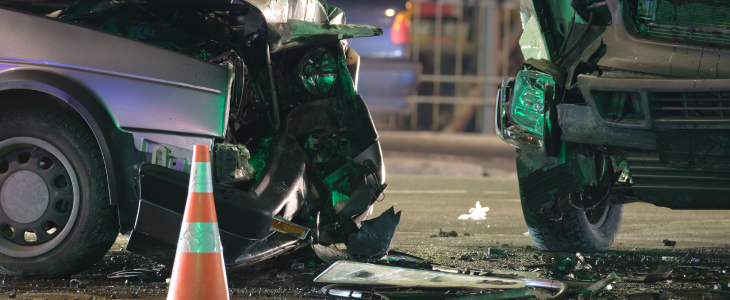
One moment you’re driving home, the next a collision sends you to the ER in an ambulance. The physical injuries heal, but something else lingers: flashbacks at every intersection, panic when you hear a car horn, sleepless nights replaying the crash. Yes, you can pursue emotional distress damages in North Dakota after a serious car accident, but only when your claim meets specific legal requirements. Emotional distress is typically included as part of your non-economic damages when you can prove physical injuries and demonstrate how the trauma has affected your daily life. A North Dakota car accident attorney can evaluate whether your situation qualifies and help you pursue the compensation you deserve.
What Is Emotional Distress Under North Dakota Law?
Emotional distress refers to the psychological suffering you experience after a traumatic event. This can include anxiety, depression, PTSD, sleep disturbances, and fear of driving. In North Dakota, emotional distress damages fall under non-economic damages, which also include pain and suffering, mental anguish, and loss of enjoyment of life.
There are two legal theories for emotional distress claims:
Negligent Infliction of Emotional Distress (NIED) applies when someone’s careless actions cause you emotional harm. Most car accident claims involving emotional distress fall under this category. Under North Dakota case law, you generally must show that you suffered physical injury or bodily harm to recover for emotional distress in a negligence claim.
Intentional Infliction of Emotional Distress (IIED) requires proving that someone engaged in extreme or outrageous conduct with the intent to cause you severe emotional harm. This standard is rarely met in typical car accident cases.
What Do You Need to Prove to Recover Emotional Distress Damages?
To successfully recover emotional distress damages after a North Dakota car accident, you typically need to demonstrate:
- Physical injuries from the accident, as North Dakota courts generally require bodily harm to support emotional distress claims in negligence cases
- Medical documentation of your emotional symptoms, such as a diagnosis of PTSD, anxiety, or depression from a licensed mental health professional
- Evidence connecting your emotional distress to the accident, showing how the trauma has affected your daily life, relationships, and ability to work
- Timely filing within North Dakota’s six-year statute of limitations for personal injury claims
Under North Dakota law, you have six years from the date of the accident to file a personal injury lawsuit. However, evidence degrades over time, so acting quickly strengthens your case.
How Is PTSD Recognized After a Car Accident?
Post-traumatic stress disorder is one of the most common forms of emotional distress following serious car accidents. According to the National Institute of Mental Health, PTSD can develop after exposure to a dangerous or traumatic event, and car crashes are a leading cause of PTSD in the general population.
Symptoms that courts and insurance companies recognize include flashbacks and intrusive memories of the accident, avoidance of driving or being in vehicles, heightened anxiety and being easily startled, sleep problems and nightmares, and difficulty concentrating or feeling detached from others. If you’re experiencing these symptoms, seek evaluation from a licensed therapist or psychologist as soon as possible. Medical records documenting your PTSD diagnosis carry significant weight in settlement negotiations and at trial.
Does Insurance Cover Emotional Distress After a Car Accident?
North Dakota is a no-fault insurance state, meaning your own Personal Injury Protection (PIP) coverage pays for medical expenses regardless of who caused the accident. However, PIP typically covers only economic losses like medical bills and lost wages. It does not cover emotional distress or pain and suffering.
To recover compensation for emotional distress, you generally need to pursue a fault-based claim against the at-fault driver. North Dakota uses a modified comparative negligence rule, which means you can recover damages as long as you were less than 50% at fault for the accident. Your compensation will be reduced by your percentage of fault.
If the at-fault driver is uninsured or underinsured, your own uninsured/underinsured motorist (UM/UIM) coverage may help cover your damages, including emotional distress.
What Steps Should You Take If You’re Suffering Emotional Distress After a Crash?
Taking the right steps early can strengthen your emotional distress claim:
First, seek medical attention for all injuries, both physical and psychological. Document every symptom, even if it seems minor at first. Second, consult a mental health professional if you’re experiencing anxiety, depression, flashbacks, or other emotional symptoms. A formal diagnosis from a licensed provider creates critical evidence for your claim. Third, keep a journal documenting how the accident has affected your daily life, sleep, work, and relationships. Fourth, preserve all evidence from the accident, including photos, police reports, and witness information. Finally, consult with a personal injury attorney who can assess whether your situation supports an emotional distress claim and guide you through the legal process.
Talk to a North Dakota Personal Injury Attorney About Your Emotional Distress Claim
Emotional distress after a car accident is real and can be just as debilitating as physical injuries. If you’re struggling with anxiety, PTSD, or other trauma after a crash in Grand Forks, Minot, or anywhere in North Dakota, you may have legal options. Contact Pringle & Herigstad, P.C. for a free consultation to discuss your case and learn how we can help you pursue the compensation you deserve.
FAQs
Can I sue for emotional distress without physical injury in North Dakota?
Generally, no. North Dakota courts typically require proof of physical injury or bodily harm to recover emotional distress damages in negligence cases. Standalone emotional distress claims without physical injury are difficult to pursue unless the conduct was intentional and extreme.
What is the deadline to file an emotional distress claim in North Dakota?
You have six years from the date of the accident to file a personal injury lawsuit in North Dakota. However, evidence becomes harder to gather over time, and acting quickly allows your attorney to build the strongest possible case.
Do I need a PTSD diagnosis to file an emotional distress claim?
While not strictly required, a formal diagnosis from a licensed mental health professional significantly strengthens your claim. Documentation of therapy sessions, treatment records, and expert testimony about your condition help establish the severity of your emotional distress and its connection to the accident.